

Chartering a yacht sounds like it belongs to a world of insider contacts and private bankers.
In reality, it follows a clear seven-step process that any first-timer can follow, as long as they know how the costs work and who to call first. This guide walks you through every step, the real all-in budget, and the mistakes that trip up most beginners.
How to charter a yacht: the short answer
Here is the whole process at a glance. Each step is detailed further down.
- Define your brief: group size, dates, destination, and your all-in budget (step 1)
- Contact a reputable charter broker, ideally a MYBA member. Their commission is paid by the owner (step 2)
- Compare two to five yacht proposals and pick one (step 3)
- Sign the charter agreement and pay the deposit, usually 50% (step 4)
- Fill in the preference sheet for meals, drinks, and activities (step 5)
- Pay the balance and the APA before departure (step 6)
- Board, enjoy, and tip the crew at the end (step 7)
Budget: plan for the base charter fee plus 35 to 50% on top (APA for fuel, food, and marina fees, plus a crew tip of around 10%), before VAT. For a first crewed charter of four to six guests, that means roughly $7,000 to $15,000 per week on a sailing yacht, and $20,000 to $60,000 on a mid-range motor yacht.


What is a yacht charter, and how is it different from a cruise?
A yacht charter is the private rental of a yacht for an exclusive period, usually a week. Unlike a cruise ship, there are no other guests, no fixed route, and no shared dining room. You choose where to go, how long to stay in each bay, and when to eat. Want three days anchored in the same quiet cove? You can. Prefer a different glamorous port every evening? That works too.
Think of it as a floating villa that moves to a new view whenever you ask.
Crewed, skippered or bareboat: the three types of charter
Your choice of charter type shapes everything that follows, from budget to how much you do on board.
| Charter Type | Sailing Experience Needed | What’s Included | Best For |
|---|---|---|---|
| Crewed | None | Yacht + captain + chef + crew | First-timers, families, anyone who wants to fully relax |
| Skippered | None (the skipper sails) | Yacht + professional captain | Guests who want to learn or take part without responsibility |
| Bareboat | Required (RYA Day Skipper or equivalent, plus logged sea miles) | Yacht only | Experienced, licensed sailors |
A common misconception is that bareboat is the “budget way in” for beginners. It isn’t: without a licence and real experience, you simply won’t be allowed to take the boat out. For a first charter, go crewed. The logistics are simpler, the experience is richer, and someone else handles the anchoring at 7pm in a crowded bay.
How to charter a yacht, step by step: from first inquiry to setting sail
Booking a charter is more structured than most people expect, and far less intimidating once you see it laid out in order.
Step 1: Define your group, budget, and non-negotiables
Before you contact anyone, get clear on four things:
- How many people are travelling (and how many cabins you need)
- Your all-in budget: base fee + APA + tip, not just the headline price
- Preferred destination and dates (with some flexibility if possible)
- Must-have activities, water toys, or onboard features
A vague brief produces vague proposals. “Six adults, two couples and two friends, Greece in late June, around $25,000 all in, we want a chef and a paddleboard” gets you a useful shortlist on the first try.
Step 2: Find a reputable charter broker


For a first crewed charter, a good broker is the single most important decision you make. They have visited the yachts, met the captains, and heard back from previous clients. They also negotiate the rate and guide you through the contract and payments.
Their commission is paid by the yacht owner, so the service costs you nothing directly. Look for membership of MYBA (the Worldwide Yachting Association) as a baseline quality signal, and be wary of booking a first crewed charter through a generic listing platform where nobody has actually set foot on the boat.
Read also: How To Choose The Right Yacht Broker?
Step 3: Receive proposals and choose your yacht
Based on your brief, the broker sends a shortlist, typically two to five yachts. Compare the layout and cabin configuration, recent photos, crew profiles and reviews, and how many clients come back. Then ask the broker which one they would pick for your group and why. A good broker always has an opinion. It’s also perfectly reasonable to ask for a quick call with the captain before committing.
Step 4: Review and sign the charter agreement
Most reputable charters use the MYBA standard contract, an industry benchmark that protects both parties. Check the dates and embarkation ports, the payment schedule (usually a 50% deposit on signing and the balance four to six weeks before departure), the cancellation terms, and what is or isn’t included. If anything is unclear, ask your broker: that is exactly what they’re there for. This is also the right moment to take out cancellation insurance.
Step 5: Complete your preference sheet

Once the contract is signed, the broker sends a preference sheet. It is the brief the chef and crew will work from, so treat it seriously. It covers:
- Dietary requirements and allergies
- Favourite food and drinks, down to specific wines or soft drinks
- Meal times and dining style
- Activities and water toy requests
- Special occasions during the trip
- Any medical information the captain should know
“We like seafood” is helpful. “One guest is coeliac, one is allergic to shellfish, and we’d love a birthday cake on Thursday” is far better.
Step 6: Pay the balance and the APA, then pack
The APA (your onboard running-costs budget, explained below) is usually paid with the balance or shortly before departure. Then pack light:
- Bring: soft-sided duffel bags, high-SPF sunscreen, motion sickness tablets just in case, a hat, light layers, and a waterproof phone case
- Leave behind: hard suitcases (there’s nowhere to store them), heels (they damage teak decks), and half the clothes you were planning to take
Towels, linens, and basic snorkelling gear are provided on most yachts.
Step 7: Board, relax, and let the crew do the rest
On arrival, the captain gives a short safety briefing. After that, the crew handles navigation, cooking, and cleaning, and your job is to enjoy it. At the end of the week, hand the crew’s tip to the captain, review the APA reconciliation, and share honest feedback with your broker so your next charter is even better matched.


How much does it cost to charter a yacht, all in?
The headline price is never the final price. Understanding the structure upfront avoids the most common unpleasant surprise of a first charter.
Base fee and realistic all-in budget by yacht type
Weekly prices below are for a crewed charter in the Mediterranean or Caribbean. The all-in estimate adds APA and a 10% tip, but not VAT, which depends on the country.
| Yacht Type | Base Fee per Week | Estimated All-In (before VAT) |
|---|---|---|
| Crewed sailing yacht or catamaran (4-6 guests) | $5,000 to $10,000 | $7,000 to $15,000 |
| Mid-range motor yacht (6-10 guests) | $15,000 to $40,000 | $20,000 to $60,000 |
| Luxury superyacht | From $50,000 | From around $70,000 |
| Large superyacht (40m+) | $200,000 and more | $280,000 and more |
Prices shift with season, age of the yacht, and destination. For a full breakdown, see our guide to yacht charter cost structures.
What is APA and how does it work?
The APA (Advance Provisioning Allowance) is a prepaid budget, usually 25 to 35% of the base fee, that the captain uses to cover fuel, food and drinks, marina fees, and crew expenses ashore. You receive an itemised statement at the end, any unspent amount is returned, and if you spend more (it happens on fuel-hungry motor yachts), you settle the difference before leaving. On a $20,000 charter, expect an APA of $5,000 to $7,000. It isn’t a fee: it’s your own spending money, managed for you.
How much to tip the crew
Crew gratuity is customary rather than contractual, but it is expected. The usual range is 5 to 15% of the base fee, with 10% as the standard for good service. On a $15,000 charter, that means $750 to $2,250, with $1,500 as the benchmark. Hand it to the captain in cash (or by transfer, if agreed) on the last day, and they’ll share it among the crew.
What’s included vs. what’s extra
| Included in the Charter Fee | Covered by the APA | Paid Separately |
|---|---|---|
| The yacht | Fuel | Crew gratuity (5-15%) |
| Crew salaries (crewed charters) | Food and drinks | VAT (varies by country) |
| Basic water toys (varies by yacht) | Marina and docking fees | Cancellation insurance (strongly recommended) |
| Linens and towels | Crew expenses ashore | Premium toys or specialist equipment |
How to choose the right yacht for your first charter
Once your budget is set, three variables decide the right boat: size, hull type, and what you want to do on the water. Your broker will narrow the options, but knowing your answers speeds things up.
Size: how big a yacht do you need?
Count one cabin per couple as a minimum. As a rough guide: 2 to 4 guests fit comfortably on 40 to 45 feet, 6 to 8 guests on 50 to 60 feet, and 8 to 12 guests on 70 feet and above. One rule worth knowing: most charter yachts can only cruise with a maximum of 12 guests, whatever the number of berths. If your group is larger, tell your broker from the start, because options become scarcer and pricier.
Monohull vs. catamaran: which is better for beginners?
A monohull is the classic sailing yacht: elegant, slightly cheaper to berth, and it heels (tilts) in the wind, which some guests love and others don’t. A catamaran stays much flatter, offers more deck and cabin space, and is usually the better pick for families with children or anyone prone to seasickness, though marina fees are higher. If you’re unsure, tell your broker both are open.
Check our detailed guide to know more about the differences between a monohull and a catamaran.
What activities and water toys do you want on board?

Equipment varies a lot from one yacht to another. Paddleboards, kayaks, and snorkelling gear are common; scuba equipment, inflatable slides, jet skis, and e-foils are usually found on larger, more premium vessels. If watersports matter to your group, make them a selection criterion from day one, so you don’t end up on a beautiful boat that doesn’t match what you came to do.
Where and when to charter a yacht for the first time
For a first charter, pick a region with sheltered waters, short passages, and good infrastructure. Two regions tick every box.
The Mediterranean (May to October)

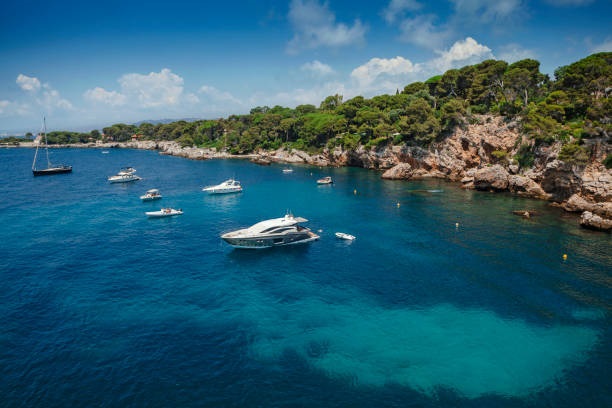
- French Riviera: glamorous ports, excellent infrastructure, iconic coastline
- Greek islands: huge variety, crystal-clear water, well-established charter bases
- Croatia: stunning Adriatic coast, quieter than France or Greece in shoulder season
The Caribbean (November to April)
- British Virgin Islands: widely considered the best place for a first charter, with short hops and protected anchorages
- St Barths and St Martin: more upscale, ideal if you want glamour alongside sailing
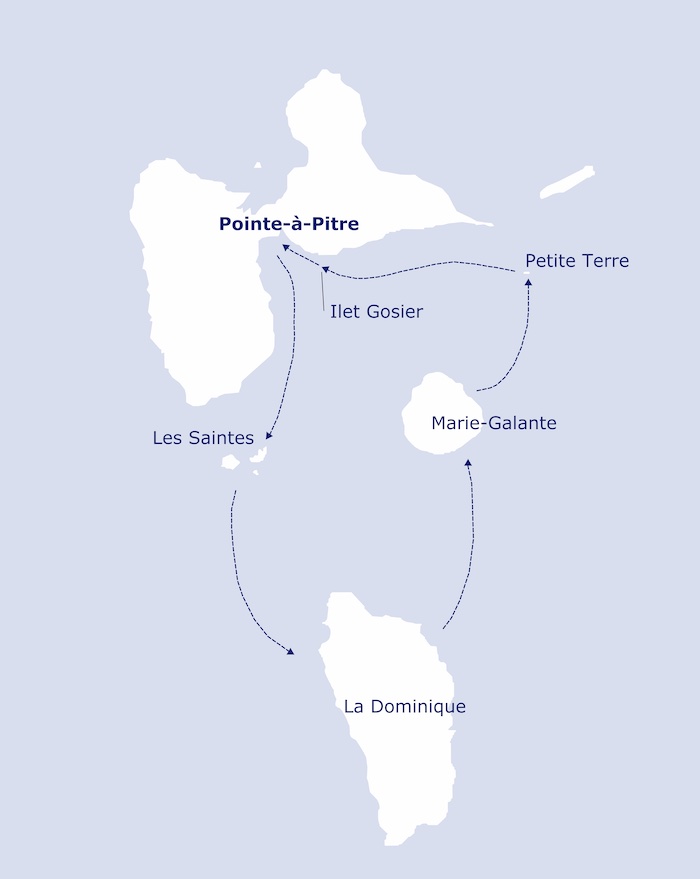
- Guadeloupe and Martinique: beautiful, less crowded, great for more adventurous itineraries

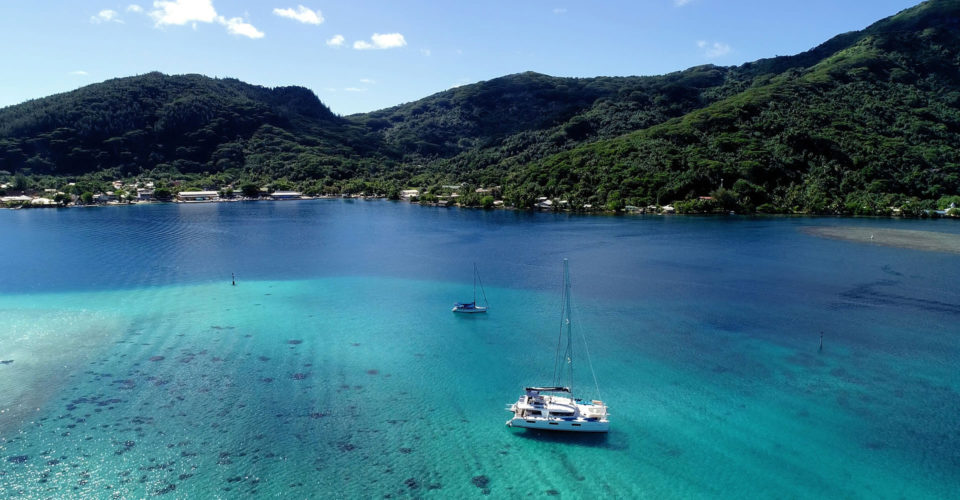
High season vs. shoulder season
In the Mediterranean, July and August bring the highest prices and the busiest anchorages, while May, June, and September offer excellent weather, rates 20 to 30% lower, and far fewer boats.
In the Caribbean, Christmas, New Year, and February are the peak weeks; April is a great-value alternative, with quieter marinas and conditions that are still excellent. If your dates are flexible, shoulder season is often the better experience, not just the cheaper one.
How far in advance should you book?
- Mediterranean or Caribbean, peak season: 6 to 12 months ahead
- Christmas and New Year in the Caribbean: 10 to 14 months ahead
- French Polynesia or Fiji: 18 to 24 months ahead, as quality yachts are few and often rebooked by returning clients
Last-minute deals do appear, but the choice is thin and the best yachts are rarely among them.
Life on board: what to expect during your yacht charter
Behind all the practical questions, most first-timers wonder what an actual day looks like. The honest answer: slower and more relaxed than you imagine.
A typical day on a crewed charter
Breakfast on deck in the bay you reached the night before.
A morning of swimming, paddleboarding, or a dinghy trip ashore.
Lunch on board or in a beach restaurant, then a gentle sail to the next anchorage. Sundowners on the bow, and dinner on deck or in port.
Some days you’ll cover a lot of ground, others you’ll barely move, and both are perfectly normal. As for the crew, guests often worry it will feel strange to have them around. It rarely does: professional crews are trained to be there when needed and invisible when not.
The unwritten rules: yacht etiquette for first-timers

- Shoes off on deck, on every yacht
- Crew quarters are private and off-limits
- Smoking rules vary: check with your broker before booking
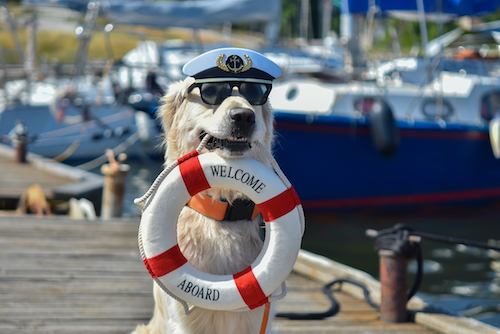
- Pets are sometimes allowed, but must be declared and approved in advance
- The captain has the final word on anything related to safety, including itinerary changes due to weather
Read also: Why you need special shoes to go on a yacht
Food and drink on board
With a chef on board, every meal is built around your preference sheet, using fresh local produce: a relaxed breakfast on deck, a lighter lunch on passage days, and a dinner as formal or casual as you like. One tip: plan two or three dinners ashore during the week. Local restaurants in charter hotspots are often excellent, and it gives the crew time to reset the yacht.
What to know before chartering a yacht: 6 first-timer mistakes to avoid
Almost everything that spoils a first charter is avoidable with a little forewarning.
1. Budgeting only the charter fee
A $20,000 charter usually means another $7,000 to $9,000 for APA and tip, plus VAT where it applies. Ask your broker for a realistic all-in estimate before committing, not after.
2. Over-planning the itinerary
An ambitious daily plan rarely survives a perfect anchorage or a change in the wind. The best moments are often unplanned: a cove the captain knows, a village market the crew heard about. Leave room for them.
3. Never eating ashore
Many charterers feel they should eat every meal on board because it’s “included”. Mixing in a few dinners ashore makes the week better for you and for the crew.
4. Skimping on the preference sheet
Twenty minutes with your group before submitting it is the best return on time of the whole trip. A vague sheet gives a generic charter.
5. Packing hard suitcases
A rigid suitcase in a 45-foot yacht cabin is like bringing a wardrobe into a studio flat. Soft bags only.
6. Booking a first crewed charter without a broker
Whatever you might save by going direct doesn’t make up for the knowledge you lose. A broker who has been on the yacht and knows the crew offers something no listing site can.
Ready to charter? Here’s how our team can help


You now know the seven steps, what a realistic budget looks like, and the traps to sidestep. The next step is a conversation: tell us your group size, dates, and destination, and we’ll come back with a shortlist of yachts we know and an all-in estimate you can actually rely on.
Get in touch and we’ll take it from there.
FAQ: Chartering a Yacht for the First Time
A yacht charter is the private rental of a yacht for an exclusive period, usually a week. Unlike a cruise, there are no other guests and no fixed schedule: you decide the itinerary, the pace, and the stops. Charters range from small crewed sailing yachts to large superyachts with ten or more crew.
You send a broker your brief (group, dates, destination, budget), receive a shortlist of yachts, choose one, and sign a charter agreement, usually the MYBA standard contract. You then complete a preference sheet, pay the balance and the APA before departure, and board on the agreed day. The crew handles everything during the trip.
No, not for a crewed or skippered charter: the captain and crew handle all the sailing. Only bareboat charters require a valid sailing licence and logged experience, which is why they are not a good starting point for beginners.
The base fee covers the yacht and, on crewed charters, the crew’s salaries, plus linens and usually some basic water toys. Fuel, food, drinks, and marina fees are paid from the APA, a prepaid budget of 25 to 35% of the base fee managed by the captain. The crew tip and any VAT are paid separately.
Add 35 to 50% to the base fee to cover APA and the crew tip, then VAT where it applies. For four to six guests, that means roughly $7,000 to $15,000 per week on a crewed sailing yacht or catamaran, and $20,000 to $60,000 on a mid-range motor yacht. Superyachts start at around $50,000 per week before extras, and large superyachts can exceed $200,000.
The usual range is 5 to 15% of the base charter fee, with 10% as the benchmark for good service. It is handed to the captain on the last day, who shares it among the crew.
The base fee is not the total cost, the preference sheet shapes your whole experience, soft bags are a must, and a flexible itinerary always works better than a rigid one. Above all, use a reputable broker who knows the yachts and crews personally.
For peak season in the Mediterranean or the Caribbean, six to twelve months ahead is the practical minimum. Christmas and New Year in the Caribbean should be booked ten to fourteen months ahead, and French Polynesia or Fiji eighteen to twenty-four months ahead.
Yes, but it depends on the season and the yacht. In peak summer, most crewed yachts in the Mediterranean only take full-week bookings, while shorter charters of a few nights are easier to find in shoulder season or on smaller yachts. Your broker can tell you which yachts accept shorter dates.
The yacht’s own insurance covers you while you are aboard during the charter. We strongly recommend adding cancellation insurance to protect your booking if something prevents you from travelling. Our brokers can help you arrange it.
There is no minimum age, and yachts make excellent family holidays. Some are better suited to children than others, so ask your broker for advice based on your children’s ages. Children must always be supervised by their parents or a nanny, as this is not part of the crew’s role.
Almost all modern charter yachts offer WiFi, though speed and reliability depend on the destination. Confirm it with your broker before departure, and check mobile data coverage for your cruising area with your phone provider.