

As a certified broker with over 25 years in the business, we’ve sat across the table from just about every type of client the yachting world has to offer, the ones who own the boats and the ones who charter them, the ones with unlimited budgets and the ones counting every euro. One question comes up more than any other, usually asked half-jokingly by a friend or a first-time client: how do people actually afford this?
The honest answer is more varied, and more accessible, than most people assume.
First Things First: Sailing Isn’t Only About Superyachts or Megayachts

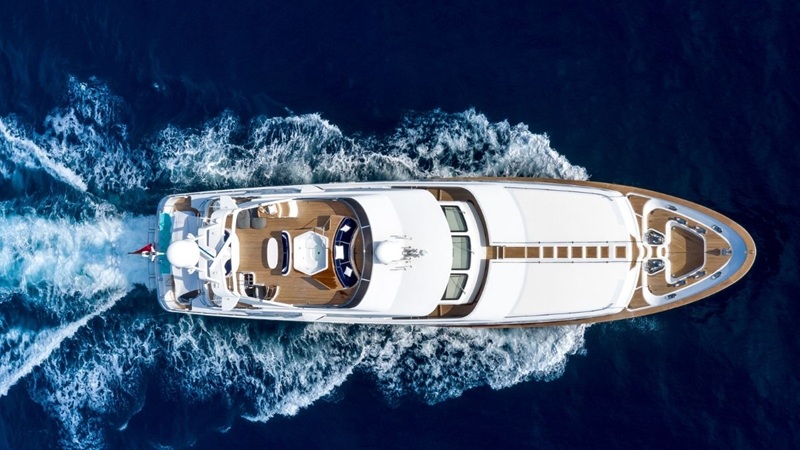
The image that dominates the public imagination, a 100-foot superyacht with a helipad and a permanent crew of thirty, represents a tiny sliver of the actual yachting world. Most of what happens on the water day to day looks nothing like that.
Many small boats are relatively budget friendly compared to similar hobbies. A modest sailboat or a used cruiser can cost less annually than owning a horse, running a serious golf habit, or maintaining a vintage car collection, once you compare like for like.
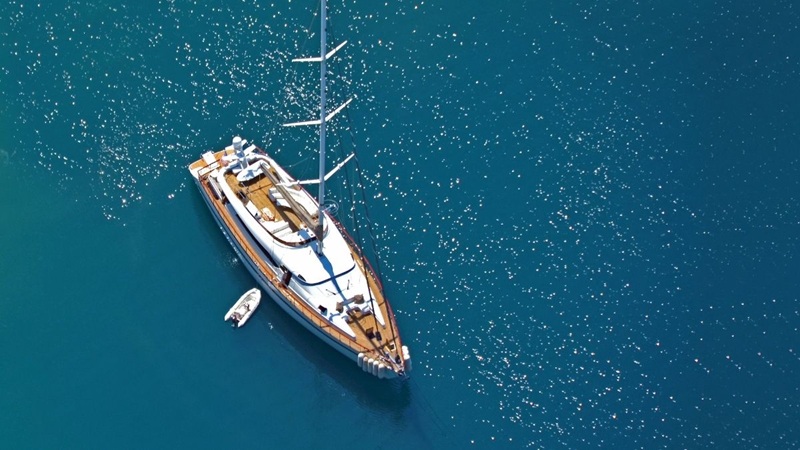
Most yacht enthusiasts charter yachts with fewer than four cabins. The bulk of the charter market isn’t 150-footers with a dozen crew. It’s comfortable 45 to 60-foot sailing yachts and catamarans, chartered by families and small groups who split the cost between them.
While the superyacht market draws all the eyeballs, most sailors will never charter or buy a vessel like this in their life, and that’s fine. It was never really the point. The superyacht segment is a tiny, headline-grabbing tip of a much larger, much more accessible iceberg.
Who Is Really Chartering or Buying Yachts?
The honest answer is: a much broader group than most people expect.
Yes, billionaires, celebrities, and other high-net-worth individuals do charter and own very large yachts, and they’re the ones who show up in the press. But they’re far from the whole picture.
Entrepreneurs, and not necessarily the ones running billion-dollar companies, are frequent yacht owners. A successful small or mid-sized business owner with disposable income and a taste for the sea is a much more typical owner profile than the industry’s public image suggests.
High-level managers, doctors, lawyers, and other well-compensated professionals are regularly found on yachts, both as owners of smaller vessels and as charter clients for a week or two a year.
Families with a shared sailing passion show up again and again. If you grew up on a boat, you’re simply more likely to keep sailing as an adult, whether that means owning your own small yacht or chartering every summer with your own kids.
True sailors, including the ones without deep pockets, will find a way. Crewing for others, buying older boats and doing the work themselves, splitting costs with friends: passion for the water tends to find a path regardless of budget.
How Do People Usually Decrease the Cost of Yachting When the Budget Isn’t Unlimited?


There’s a real toolbox of strategies that experienced sailors and owners use to make the numbers work, and most first-time clients have never heard of half of them.
Chartering with other couples or families brings the cost per person down dramatically. A crewed catamaran charter that looks expensive at first glance becomes far more reasonable once split six or eight ways. Industry figures put per-person catamaran charter costs at roughly $3,000 to $6,000 a week for a group of eight, all inclusive, which is a very different number than the headline weekly rate.
The cost of a charter drops a lot when you don’t have to fly across the world to reach it. Chartering somewhere accessible by car or a short flight avoids a significant chunk of the total trip budget, which for international destinations can rival the charter fee itself.
If you own a yacht, you can charter it out while you’re not using it to offset ownership costs. Many owners place their vessel into a charter management program during the weeks or months they’re not personally aboard, using the charter income to cover a meaningful share of running costs.
Fractional ownership makes yacht ownership possible for people who couldn’t afford a boat outright. Under this model, several co-owners each buy a share, typically a quarter, an eighth, or a tenth, of a yacht’s value, and share the running costs proportionally while a management company handles crew, maintenance, and scheduling. A typical eighth share might deliver around six weeks of guaranteed time onboard per year, at a fraction of the cost and hassle of solo ownership.
Many yachts are financed through loans and bought on the secondary market. Just like real estate, a large share of yacht purchases involve financing rather than a straight cash purchase, and buying a well-maintained used yacht instead of a new build can cut the entry price substantially while still delivering the same experience on the water.
How Much Does It Cost to Own a Yacht?
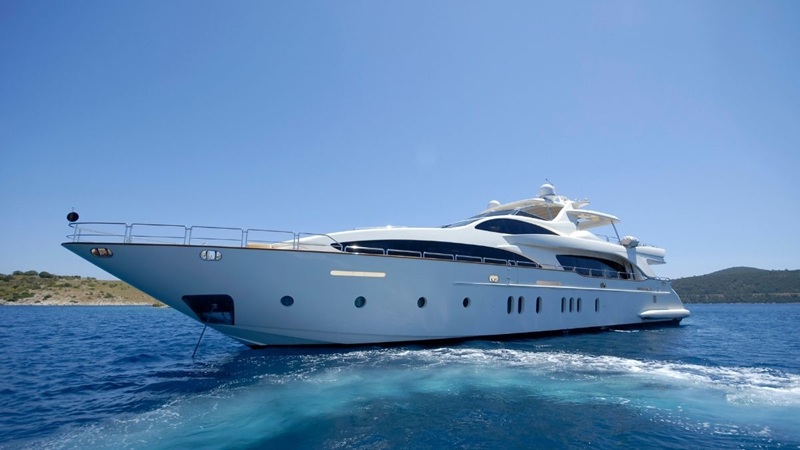
The industry’s standard rule of thumb is that annual running costs land somewhere between 10% and 15% of the yacht’s purchase price, covering insurance, maintenance, mooring or marina fees, fuel, crew where applicable, and periodic haul-outs. So a yacht bought for 500,000€ will typically cost somewhere around 50,000 to 75,000€ a year to keep running.
As a rough guide by size: smaller yachts under 15 metres often run in the tens of thousands per year, a 50 to 70-foot yacht will typically land somewhere between 30,000€ and 150,000€ annually depending on crew and usage, and larger yachts in the 70 to 100-foot range can push well past 200,000€ a year once crew salaries and higher-spec maintenance enter the picture. Beyond that, on true superyachts, annual costs can exceed a million euros, with crew and berthing typically the single largest line items.
Read also: The True Cost of Owning a Catamaran: A Complete Financial Breakdown for Serious Buyers
How Much Does It Cost to Charter a Yacht?
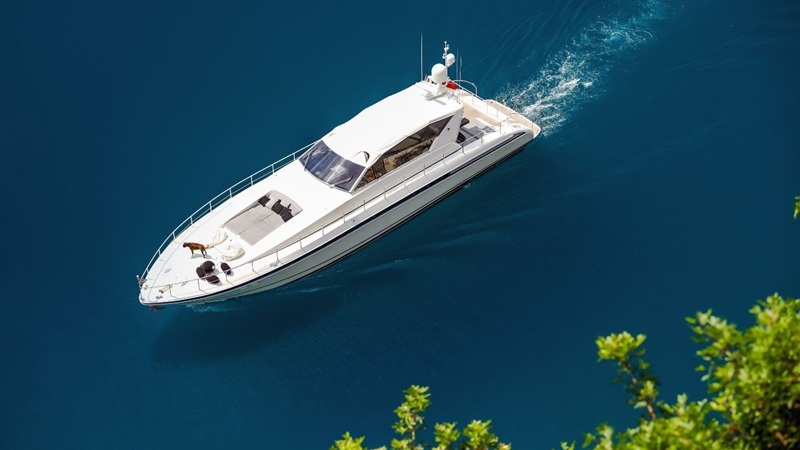
Charter costs vary enormously by yacht type, size, and destination, but a few benchmarks help set expectations. A crewed catamaran sleeping eight typically runs from around 10,000€ to 45,000€ per week depending on size and region, which works out to roughly 1,500€ to 6,000€ per person for a full group, all inclusive of food, drink, and fuel in most Caribbean-style packages. Motor yachts tend to run higher for the same guest capacity, since they generally need extra length to sleep the same number of people, and typically price on a “plus expenses” basis rather than all-inclusive. At the very top end, week-long superyacht charters can reach 150,000€ or more, but that segment represents a small share of actual bookings. Read also: How much does it cost to charter a luxury yacht
Our Tips as a Broker if You’re Wondering Whether You Can Afford a Yacht
Buying a yacht is always a hobby cost, and rarely an investment. Yachts depreciate like most vehicles do; the return you get is time on the water and the experience you build with the people you bring aboard, not a financial return. Anyone buying a yacht expecting it to appreciate is starting from the wrong premise.
Always buy a yacht within your budget: a boat can sink, quite literally, and financially. Stretching to the very top of what you can afford leaves no room for the maintenance surprises, weather damage, or unexpected repairs that come with owning something that lives in salt water.
Chartering is actually a great alternative to yacht ownership. For most people who dream of owning a boat, chartering a few weeks a year covers the actual desire, being on the water with the people you love, without the year-round costs, the maintenance headaches, or the depreciation.
Surround yourself with a broker you can trust. Whether you’re chartering for the first time or considering a purchase or a fractional share, the right broker will tell you honestly what fits your budget and your usage, rather than pushing you toward the biggest boat or the biggest commission.
Sailing vs. Motor Yachts: Choosing Your First Charter