

There’s a particular kind of guilt that comes with hauling your boat out of the water for the last time each season. One week you’re chasing sunsets off the coast, and the next you’re staring at a hull covered in salt crust, wondering where the summer went. How you spend the next few hours getting your boat ready for storage decides whether it’s ready to go when the weather turns again, or whether you’ll spend next spring untangling problems that could have been avoided.
Let’s go through what actually matters when putting a yacht away for the off-season, and what tends to get overlooked even by experienced owners.
Pick the Right Storage Setup First


Not all storage is created equal, and the option you choose shapes everything else on this list. Wet slips at a marina are the easiest to access but leave your hull exposed to ice, marine growth, and whatever storms roll through. Dry stack storage keeps boats indoors, off the water entirely, which is great for hull protection but usually comes with size restrictions and a waitlist. Then there’s outdoor yard storage on a trailer or stands, wrapped or covered, which is more affordable but demands more prep work on your end since you’re the one protecting the boat from weather instead of a building.
It’s also worth thinking about how far the storage facility is from where you actually use the boat. If it’s more than a short drive away, you’re not just storing a boat, you’re planning a small move. Read also: How Do People Actually Afford Yachts?
Give It an Honest Cleaning


Salt, algae, and fish oils left to sit all winter etch into gelcoat and fabric in ways that are harder to fix in spring than to prevent now. Wash the hull, deck, and topsides thoroughly, and don’t skip the spots you can’t see easily, like under seat cushions and behind electronics panels. Trapped moisture in those areas becomes mold and mildew’s favorite winter project.
Pull out cushions, life jackets, ropes, and fabric items and let them dry completely before storing them somewhere with real airflow, rather than sealing them into plastic bins where trapped humidity does more damage than the cold ever would. Read also: Is it Worth Salvaging a Sunk Boat?
Handle the Engine and Fuel System

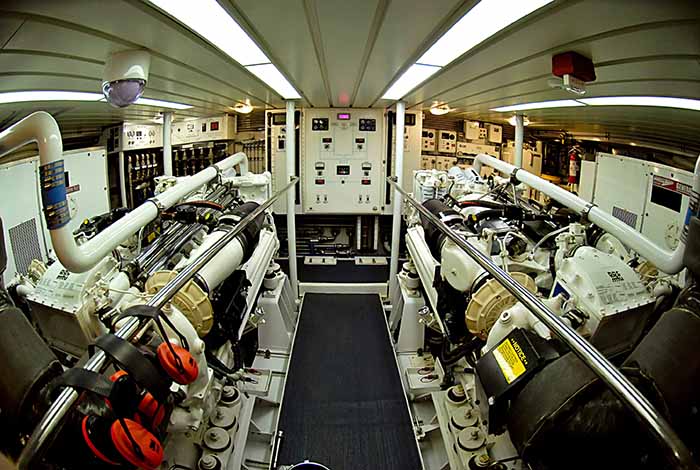
This is the step people rush through and regret later. Fuel left sitting for months tends to separate and gum up injectors and carburetors, so either run the tank close to empty and add a stabilizer, or top it off completely to reduce condensation, depending on what your engine manufacturer recommends. Change the oil and filter before storage rather than waiting until spring, since old oil holds acidic byproducts that sit against internal engine parts for months.
Flush the cooling system with fresh water if you’ve been running in salt water, and if freezing temperatures are possible where the boat will sit, winterize the engine block, water lines, and any onboard plumbing with antifreeze made for marine use. Skipping this over one unexpectedly cold night can crack a block, and that’s not a cheap lesson.
Organize the Interior Like You’ll Need to Find Things Fast


This part gets overlooked because it feels less urgent than the mechanical work, but it’s what actually saves you time come spring. Take everything off the boat that doesn’t need to survive a winter in a hull, including electronics, personal gear, perishables, and anything battery-powered.
For whatever stays aboard, group items by system rather than by where they happen to fit: safety gear together, spare parts together, cleaning supplies together. Clear bins with labels beat cardboard boxes, which soak up moisture and fall apart by spring. If your boat has built-in lockers, sort through them now instead of just closing the lid on the chaos, since you’ll be the one reopening them in a few months, quite possibly in a hurry.
Cover It Properly

Whether you’re shrink-wrapping the boat, using a fitted cover, or building a frame with a tarp, the goal is the same: keep water off the boat without trapping moisture inside it. A cover pulled too tight with no ventilation can create a greenhouse effect that’s arguably worse than leaving the boat uncovered. Vents built into shrink wrap, or a cover design that allows airflow, make a real difference by spring.
Getting There Is Part of the Plan
If your storage yard isn’t a short tow from home, moving the boat becomes its own project, one that a lot of owners underestimate until they’re standing in a parking lot trying to back up a trailer they’ve never used before. For longer distances or larger vessels, hiring a transport service instead of driving it yourself often works out cheaper once you factor in fuel, tolls, a trailer rental, and the risk of towing something unfamiliar. It’s worth looking at this page on A1 Auto Transport if you’re weighing that decision, since it lays out what’s actually involved in getting a boat moved safely from one point to another.
Handle the Battery Separately
Batteries left connected over the winter drain slowly and can freeze once depleted, which ruins them for good. Disconnect them, store them somewhere temperate and dry, and put them on a trickle charger if you have one. It’s a five-minute task that saves you from buying a replacement battery every spring. Read also: Marine Weather: What Every Sailor Needs to Know
The Walkthrough Nobody Does, But Should


Before you walk away for the season, do one more pass through the boat with a flashlight and a notepad. Check for anything left wet, any hatch that isn’t fully latched, and anything loose that could rattle or shift during storage or transport. It takes fifteen minutes, and it’s usually the difference between an easy spring launch and a long list of surprises.
Storage season doesn’t have to be stressful. It just rewards a little patience now instead of a lot of scrambling later, and a boat that’s properly cleaned, drained, organized, and covered will thank you for it the first morning you head back out on the water.