

Seeing a boat resting on the seabed is a heartbreaking sight for any sailor. However, for the pragmatic investor or the dedicated restoration enthusiast, that submerged hull represents a question: is this a total loss, or is it a diamond in the rough?
The idea of salvaging a boat might sound like a fool’s errand to the uninitiated. Between corrosive saltwater and the logistical nightmare of a refloat, the odds are often stacked against you. Yet, some of the most storied vessels on the water today were once at the bottom of a harbor.
The real challenge lies in knowing when to walk away and when to call in the crane.
When Is it Actually Worth It to Salvage?
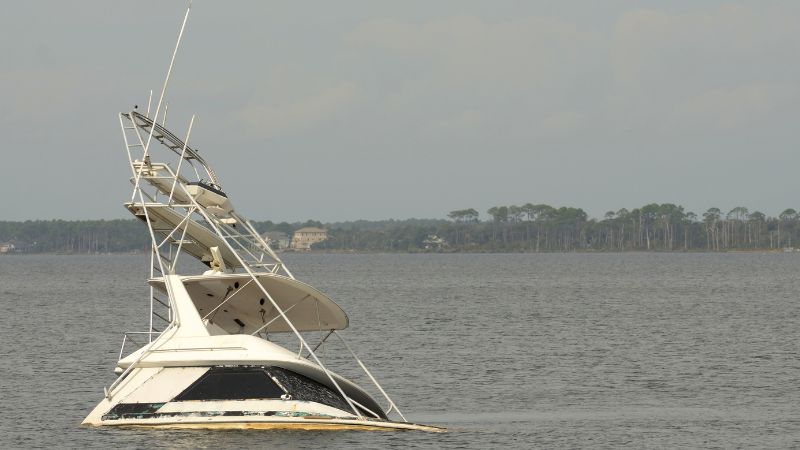
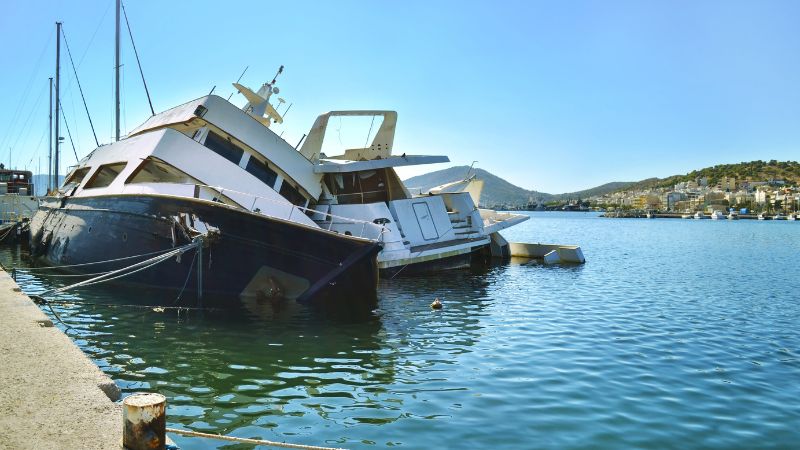
Salvage operations aren’t just about “saving” a boat; they are about financial and structural viability. Here is when the math usually adds up:
- High Value or Rare Pedigree: If the vessel is a prestigious brand (think Hinckley, Swan, or a high-end modern catamaran) or a rare classic, the hull alone may be worth more than the entire salvage and refit cost.
- The “Fresh” Sink: Time is your greatest enemy. A boat that went down yesterday due to a failed bilge pump is a prime candidate for recovery. If the engine hasn’t had time to “pickle” in saltwater and the interior hasn’t started to rot, the restoration is significantly cheaper.
- Minimal Impact Damage: A boat that sank “cleanly” (due to a plumbing failure or heavy rain) is far more salvageable than one that sank because it hit a reef. If the structural “bones” are intact, you’re looking at a systems replacement rather than a total rebuild.
- Insurance Coverage: In many cases, if the vessel is still insured, the policy may cover the exorbitant costs of the wreck removal itself. If the insurance company “totals” the boat but pays for the lift, you might be able to buy the hull back for a fraction of its value.
- Environmental Necessity: Sometimes, salvage isn’t a choice—it’s a legal mandate. If the wreck poses a fuel leak risk or a navigation hazard, authorities will require its removal. In these cases, it’s worth trying to recover some value from the operation.
Read also: Marine Weather: What Every Sailor Needs to Know
When to Walk Away: The “Money Pit” Warning Signs
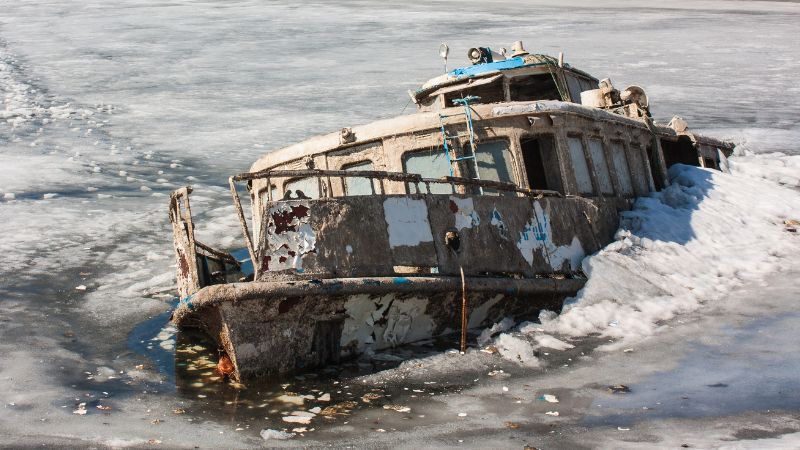

Not every boat can (or should) be saved. It’s a bad idea to proceed if:
- Critical Structural Failure: If the keel has been ripped, the stringers are delaminated, or the hull is buckled, the boat’s “seaworthiness” is compromised. You can replace an engine, but you can’t easily fix a broken spine.
- The Math Doesn’t Work: Always look at the “Market Value vs. Recovery Cost” ratio. If a pristine version of that boat sells for $50k, but the salvage and repair will cost $60k, you are better off buying a floating one.
- Logistical Nightmares: A boat sunk in a remote area, in deep water, or in high-current zones requires specialized dive teams and barges. These costs can spiral into the tens of thousands before the boat even breaks the surface.
The Professional Roadmap to Salvage
If you are seriously considering a recovery, do not guess. Follow these three steps:
- Market Research: Check the current “sold” prices for the boat in both new and used condition. This is your “ceiling.”
- The Professional Survey: Hire a marine surveyor who specializes in damage claims. They have the moisture meters and the experience to tell you what’s happening inside the fiberglass or wood.
- The “Hard Quote” Phase: Get firm estimates for the salvage (the lift) and the yard work (the fix). Always add a 20% “contingency fund” for the hidden surprises that only reveal themselves once the boat is hauled out.
The “Red Zones”: Critical Areas to Inspect
Submersion is a slow-motion disaster for certain components. Pay close attention to:
1. Structural Integrity & Buoyancy
Just because a boat is made of fiberglass doesn’t mean it’s waterproof. Prolonged submersion can lead to core saturation in the decks or hull. You must ensure the vessel can still handle the rigors of the open sea without flexing or taking on water.
2. Engines and Mechanical Systems
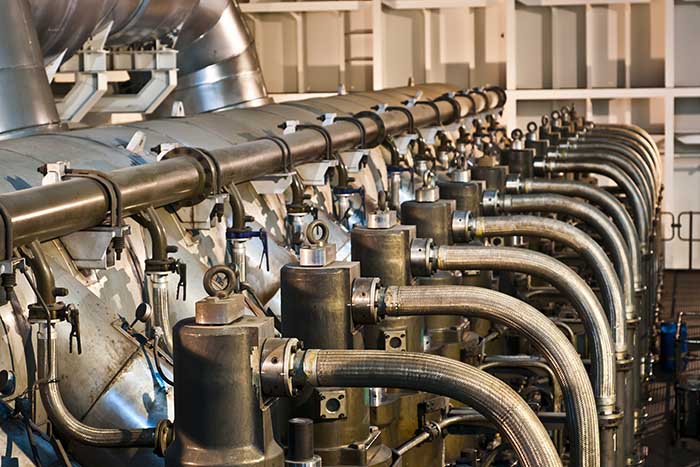
Engines do not like being “pickled.” Once a running engine is submerged, water enters the cylinders and the oil system. If not treated within hours of being raised, the internal components will flash-rust, essentially welding the engine into a solid block of iron.
3. Electrical and Electronic Systems
This is where most salvage projects fail. Saltwater wicks up through wiring harnesses like a straw. Even if a chartplotter turns back on, the internal corrosion will eventually cause a failure—or worse, a fire. In 90% of cases, a sunk boat requires a complete “gut and redo” of the electrical grid.
4. Tanks and Plumbing
Fuel tanks, water tanks, and sewage lines are often contaminated during a sink. Cleaning a diesel tank that has been breached by seawater is a massive, messy undertaking. If the boat stayed down long enough, the plumbing lines may also be compromised by silt and marine growth.
Read also: Essential Sailing Knots: The 5 Must-Know Knots for Boating
Thinking about taking the plunge on a salvage project?
Don’t go it alone. Whether you’re looking at a recovery for profit or a labor of love, getting an objective expert opinion is the best investment you can make.
Wondering if you should salvage a sunk boat? Get a second opinion with our team today.