A lot of people expose themselves to incorrect sailing advice, which increases their fear and concern about yachting or sailing.
In this article, we’ll analyse some of these common myths, misunderstandings and bad advice you might have heard when you told people you were interested in sailing.
#1 Yachting is always expensive
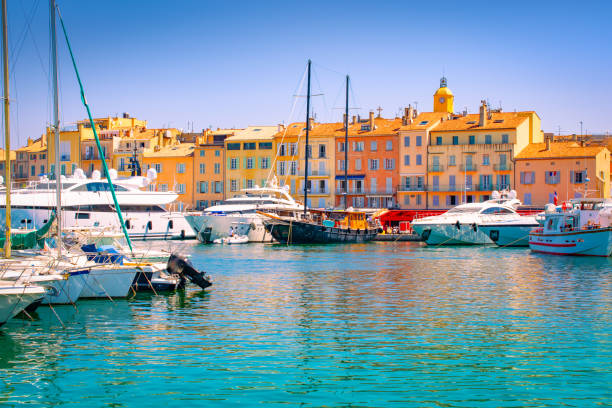
Despite the fact that purchasing a boat might be pricey, renting one out is a wholly different and far more accessible option. A charter bareboat can even be cheaper than some “on land” holidays in many cases.
The main issue here is that many people think “mega yachts” when they think of sailing. Which is a niche industry in the overall sailing industry. Most yachties and sailors will never charter and let alone own a superyacht. So while it’s true that sailing CAN be expensive, it’s rarely as expensive as people think as the industry isn’t only about the huge billionnaire’s toys.
If you want to sail on a budget, go for sailing vessels instead of motorboats. The savings in fuel can be very significant at the end of your holidays.
Additionally, the complete expenditure of yachting or sailing trips depends heavily on the destination as well. If some famous yachting destinations are indeed on the higher end when it comes to prices, it’s simply not the case everywhere… at all.
Read also: How much does it cost to charter a luxury yacht?
#2 Sailboats don’t have space compared to catamarans
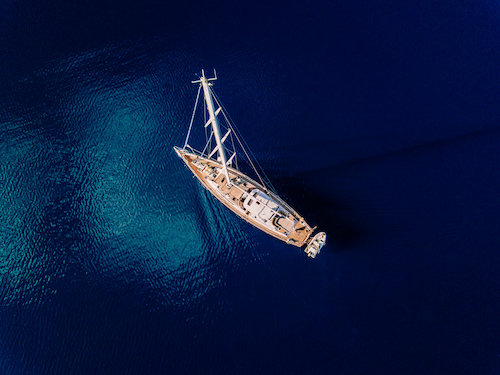
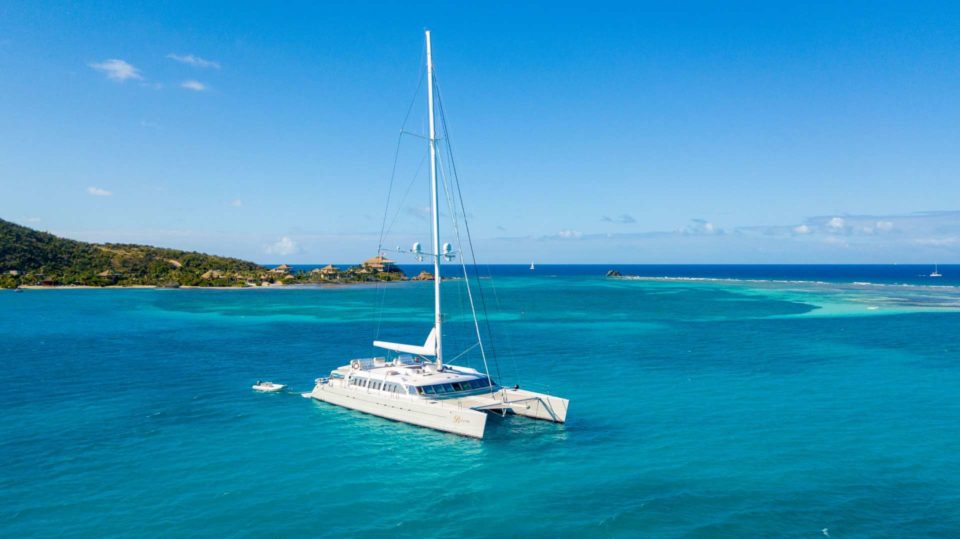
There is no doubt that catamarans have more space in comparison to a sailboat. But there are many sailing monohulls and motoryachts available that are both liveable and fun to sail.
You might not get the “floating apartment” feeling of a catamaran, but you might have plenty of fun nonetheless, and a sailing experience as close as it gets from pure freedom.
Read also : Monohull vs Catamaran, which one to choose?
#3 A catamaran isn’t comfortable in choppy waters
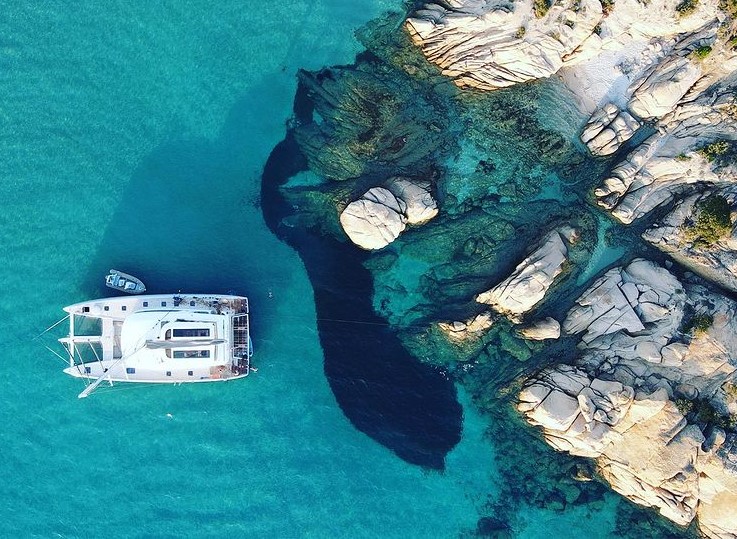
You might have heard that catamarans aren’t comfortable in choppy waters. While this CAN be partially true, it’s far from being the whole general truth.
First, due to their double hull construction and broad stance, catamarans remain safe in choppy waters.
They can actually easily outrun storms thanks to their quick speeds, small drafts, and ease of maneuverability.
Since catamarans are stable and tend to heel less than monohull, people on board aren’t as seasick as they could be on a monohull. It’s also great to avoid falls inside the vessel during bad weather or worse… having someone go overboard.
So are catamarans the best for choppy waters? It depends. It’s not particularly pleasant, but it’s not necessarily worse than on a monohull. You are just trading less heeling, risks of falls and a bit of smoothness for stability but bumpiness.
Read also : Lagoon Seventy 7 : The Ultimate Catamaran for your next Private yacht Charter Experience
#4 Heeling on a sailboat will make you sick
Sailboats heel, and it can make some people sick. Again, this is quite a general truth, but with some important caveat.
First, some people will not feel any kind of seasickness, regardless of where they are. And other will feel sick on any sort of boat, and even in a car or in a bus.
People who deal with motion sickness while on a sailboat or yacht can, however, feel more sick when the boat experiences other turbulent conditions like heeling.
But, there is nothing to worry about and not much you can do anyways. A specific degree of the heel gives the rudder bite, enables the boat to sail on its lines, and aids in generating lift. When the boat flattens out, it actually gains speed (stops moving sideways) and turns into a more enjoyable ride with less seasickness.
#5 More power is always better on a Motoryacht
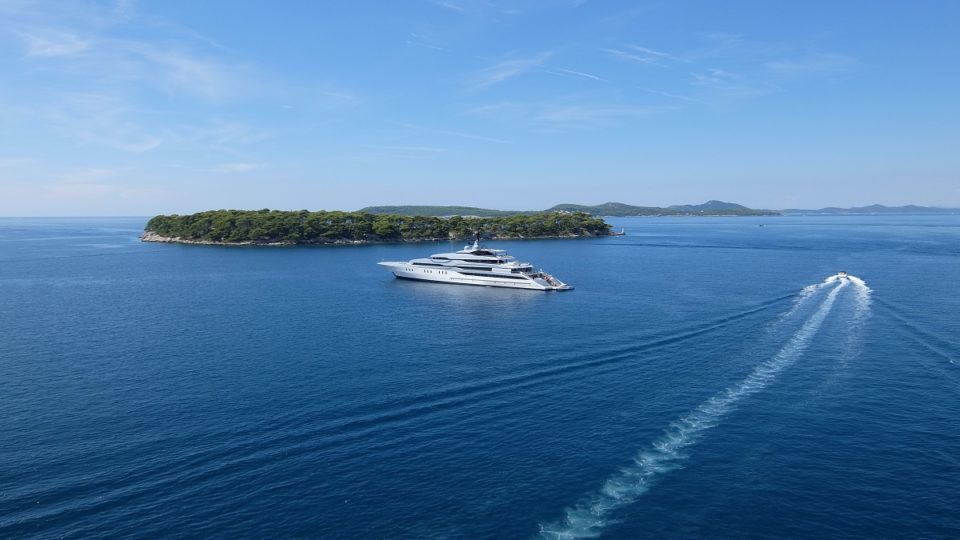
When you are on a yachting trip, speed is always a key factor, sure. That’s clearly a fun part of sailing, and motoryachts aren’t an exception here.
But you can achieve great speed on a boat without spending much on huge engines. Also, it is imperative to keep in mind the high fuel prices to avoid going over budget while going for a motor yacht just for the sake of speed.
Another significant factor is that, although being less powerful, smaller, lighter boats are practical and not necessarily slower.
Read also : Our selection of the best power multihull for 2022
#6 Always pick a longer yacht over a smaller one
In the yachting world, people tend to think that the longer the yacht, the better.
This is one of the most common mistake for several reasons:
- Longer yachts are of course expensive if you are planning a yachting trip with a reasonable budget.
- Smaller yachts will have a small crew size, will require less maintenance, and can go as fast if not faster as bigger yachts
- The larger the size of the boat, the more will be difficult to moor it.
Read also : What Are The Different Parts Of A Sailboat?
#7 You can’t sail upwind on a catamaran
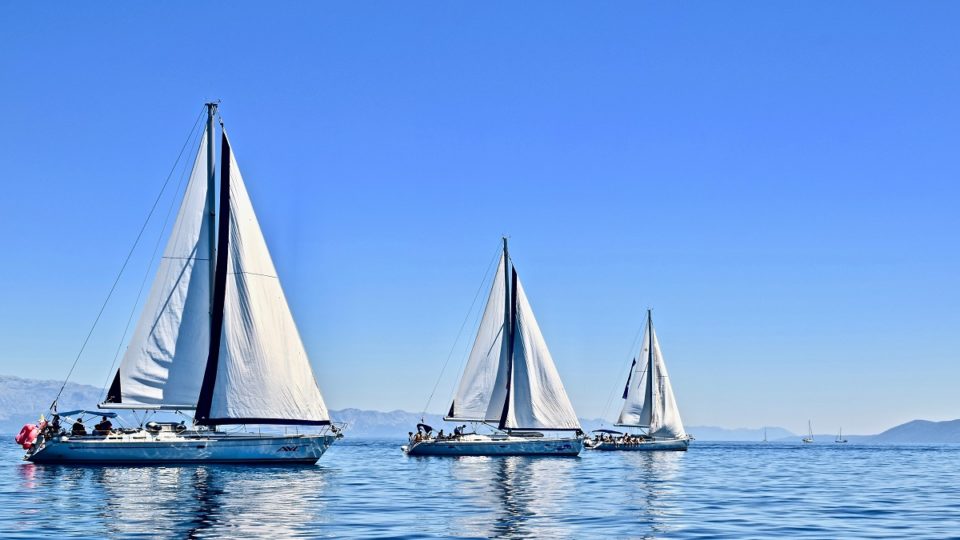
Of course, yes you can sail upwind on a catamaran. You wouldn’t see so many cats around otherwise!
A normal catamaran can sail 45 degrees windward to the true wind and up to 14 knots in optimal circumstances, depending on the size of the boat and the local weather. Results may differ, and numbers may fluctuate in less than perfect circumstances.
Sure, expect a catamaran to go upwind less effectively than a monohull. But still, it’s perfectly fine to sail a catamaran upwind, you simply have to get used to it, like anything else.
Read also : How to sail upwind
#8 Owning a yacht comes with endless maintenance costs
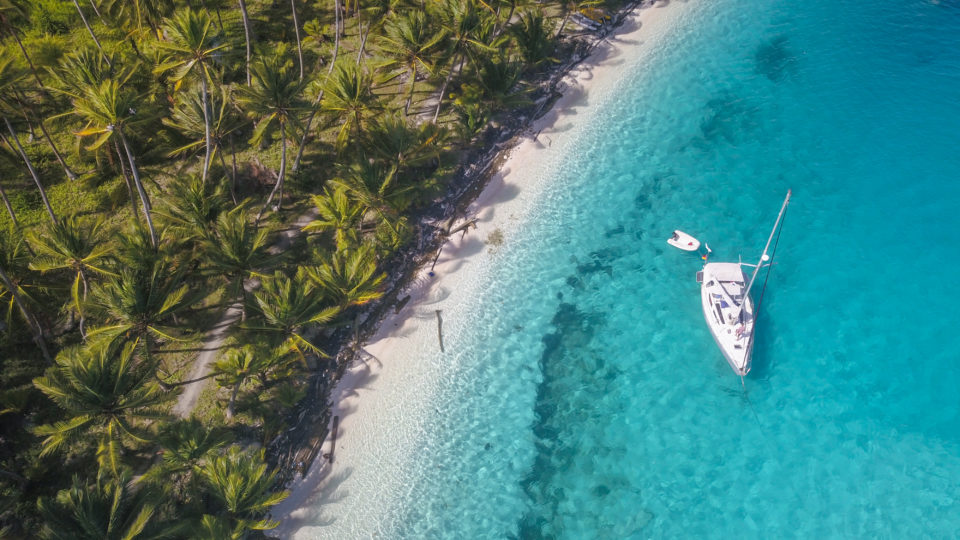
Many first time sailors budget poorly their first purchases and end up being burned by the costs of yacht ownership.
Mooring, insurance, and routine inspections are of course a few of the maintenance requirements that you must perform as an owner.
That being said, not all yachts are as extravagantly expensive as luxury yachts and cost an arm to maintain. The maintenance needs of a yachts vary a lot depending on the model, its year, overall condition, type of hull, place of mooring and so on.
If you want to own a yacht, talk to a broker like us to estimate the overall ownership costs as close as possible to the reality.
Alternatively, a practical choice if full ownership scares you is fractional yacht ownership, which keeps upkeep costs to a minimum and spread between co-owners. Likewise, yacht charters are also on a table… with an unbeatable maintenance cost of 0!
Read also : How much does it (really) cost to own a yacht?
#9 Yachting as a family is a bad idea
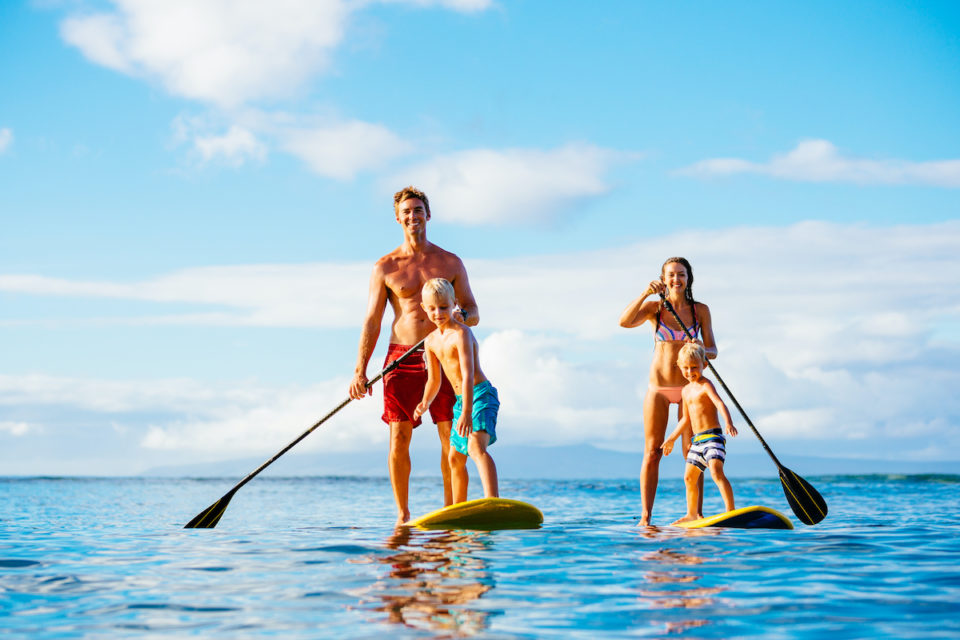
Family sailing does present some difficulties, like any group holidays. That’s why some yachties sometimes give you the advice to avoid chartering a yacht as a family.
In our opinion, after organizing charters for 25+ years, in most cases, you can simply ignore them and have a blast with your family.
With proper care, planning, and taking up responsibility, there aren’t much reasons to avoid family charters as a whole.
Why would you want to miss on this:
- Engage in water adventure sports together with your family.
- Teach yourself and your kids some life-changing experiences.
- Learn new skills of survival with your family while aboard.
- Never leave the kids alone.
- Familiarize the kids and other family members with all the relevant sailing rules.
- Make clear to the kids that no jumping is allowed while aboard.
Read also: Family Yacht Charter: Everything you should know
#10 You can’t charter a yacht to cross the ocean
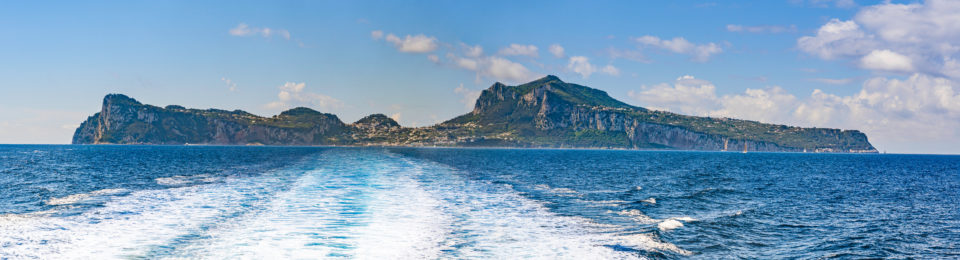
It is absolutely possible to cross the ocean with a charter yacht. However, it ought to be of the right size and engine. And obviously a solid experience in sailing, usually provided by a professionnal captain. You simply do not wing the crossing of an ocean alone after a few island hoppings around the block!
Of course, a trip like this require proper planning, provisioning, impeccable weather reading skills and a cool headed temperament. Not your typical yacht charter but a great sailing trip for the adventure seekers.
Conclusion
The most common yachting misunderstandings and myths are sometimes partially true, but rarely depict the full picture. In most cases, it’s simple urban legends or limited knowledge about sailing.
Remember to have fun and take advantage of the delights of yachting while adhering to all safety precautions and measures and you can ignore most of them.